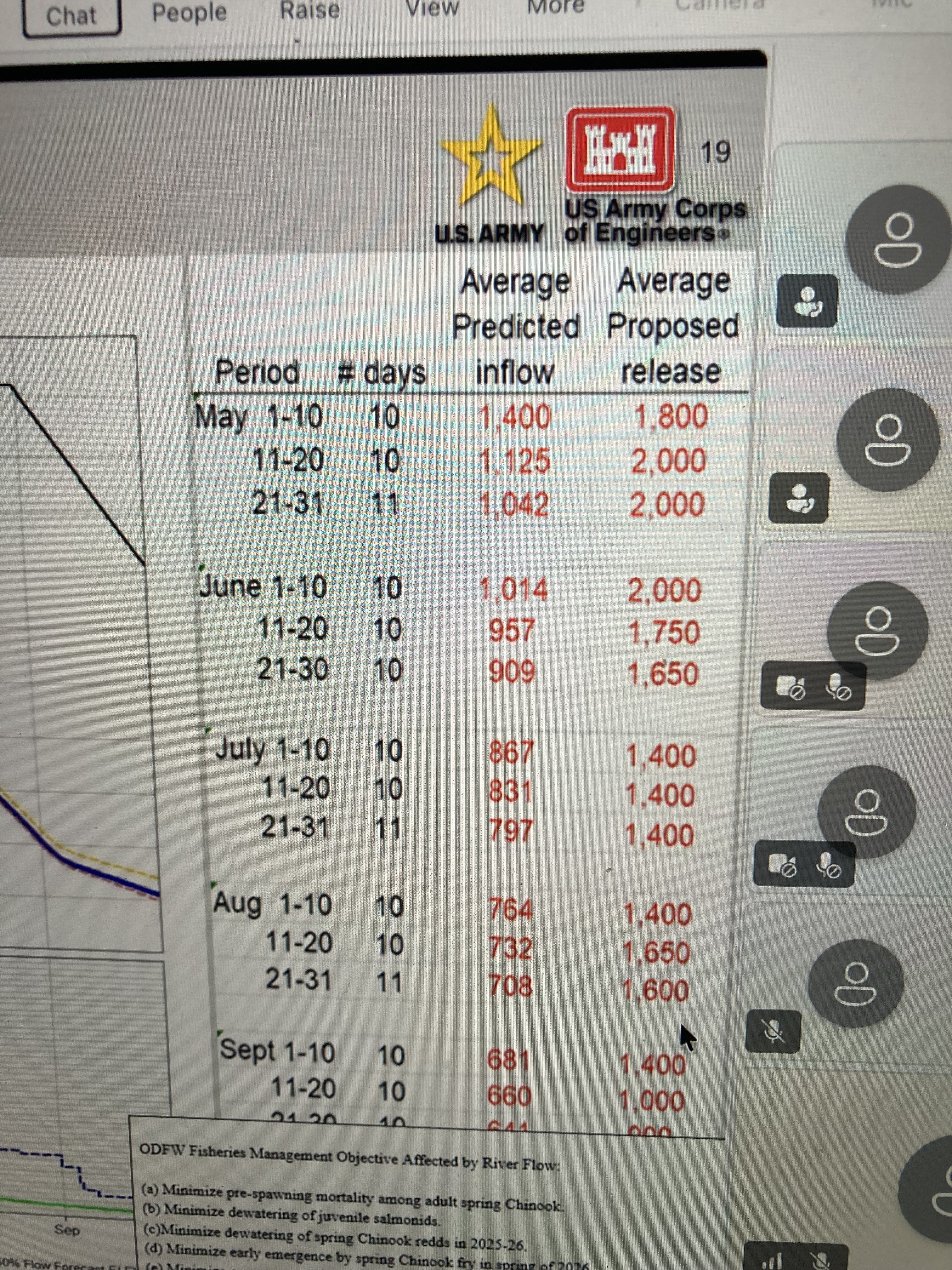
I’m looking for some low-water beta on the Wild & Scenic Rogue at around 800 CFS based on the Grants Pass gauge.
Just to be clear, I’m not looking for a green or red light on whether we should do the trip. I realize nobody knows my crew’s skill level, experience, boats, etc.
I’ve rowed the Wild & Scenic at about 1,090 CFS, so I have a decent reference point for the river at that level. Just looking for any insights that might help us make a decision.
For those who have been down around 800 CFS or lower, how different did you find the navigation compared with 1,100 CFS? Are there specific rapids, lines, exposed rocks, or other low-water hazards that become particularly important around 800 - 900 CFS?
We’re super hopeful we can end the season with a trip on 09/18, but feel a bit worried about the dropping water.
The Rogue at sub 1000 cfs is spectacular! It is really technical making many of the rapids a bit more challenging for the rower.
It has been a bit since I have been out but the one rapid that is tricky is wildcat. Depending on what boat you are rowing you might not be able to just sneak down the far far right. If I remember correctly, and you are ready for it, you can get into a small eddy on the left, right as the right channel meets up with the left. So on the back side of the island that splits the river. From there you can boat scout your line to the right.
I think most everything else is pretty read and run. Nothing too crazy sticks out to me.
Should be a beautiful trip! I absolutely love fall trips on the Rogue. With the lower water some camps pop up aren’t’ normally available. Its a great opportunity to explore new camps.
Some rapids that deserve consideration are:
Rainey Falls - Honestly, I think the mid chute is the way to go. The Fish Ladder will still get you there but the challenge is not worth it, to me, at these flows.
Wildcat - RAWR! Stay right! There are some shallow rocks that start popping up over there but I would rather get hung up on those than deal with a flip, wrap, or serious pin on the rock sieve in the middle. There is a narrow line from left to right above the “Alligator” rock that goes. It might be worth a scout which can be done from Tyee camp on the right.
Slim Pickins - I am pretty sure that the far left line still goes in a raft. If in doubt the far right “drift boat” (right of the rock) line definitely goes. Oar management over there is pretty crucial and be prepared to hit some rocks. It is narrow.
The Narrows>Mule Creek Canyon>Coffee Pot - The Narrows is fast, splashy, and narrow. The Coffee Pot is super narrow. Watch out for being too sideways at the bottom. There was a report of a raft bridging and flipping there earlier this year.
Blossom Bar - Always deserves respect. Watch out for the shallow guard rocks at the entry and be ready to start moving back to the left immediately after passing the picket fence. Here is a great video of Blossom that recently posted. I am not sure what the flow is in the video but it is a good watch anyway.
I was talking with our rowing school instructors and they said that small (12-14’), light oar rafts were a wild ride down the mid chute at Rainey. Would you take small, light boats down the fish ladder over the mid chute?
I agree that bigger, heavier boats need to go mid chute.
What do you consider light? I agree. 12’ to 14’ empty rafts down the mid chute are a wild ride. If your boat is empty or has very little gear, like a paddle raft with no passengers then I would probably go fish ladder. An empty raft is relatively easy to pick up and move down the ladder.
I also think it is important to consider what the potential consequences are of slipping and falling in the fish ladder while dealing with a stuck raft.
Every private trip I have done on the Rogue any passengers I have portage Rainey regardless if I am running the fish ladder, mid chute, or the falls.
I took a 12’ cataraft down the fish ladder earlier this year with all my personal gear, food, and water, for a 3 day trip at around 1200 cfs. I wished I had gone down the mid chute. I recognize that a cat will behave and perform differently in the fish ladder than a raft.
No meaningful difference between 1090 and 800. I have been down there plenty in this range and things just get a little more shallow but also slow down. As others have said, wildcat is where we see the most boats stuck, and they get really stuck. If in doubt on making the move right just above the alligator it’s better to be stuck on the rocks on the right below the bushes than on the alligator or the island. Basically if you can go right, you are not far enough right.
Personally, I would run the middle chute at the falls in almost any rubber boat at that level. Plan how you are going to manage your oars, I think going forward with your handles is easiest and safest
Blossom, the slide speeds up so using the bounce rock on the right side becomes more valuable.
Overall, if you have done 1090 and you are in a raft, 800 should feel fine. In a drift boat, it’s a slightly different story in a few more spots especially at Kelsey Falls and upper grave creek.
Thanks to everyone for taking the time to reply. We had an incredible trip. Ran the middle chute (for the first time) in my moderately loaded 14 ft raft without any issues - just an exhilarating ride! I enjoyed seeing and floating the river at ~960 - it definitely felt and looked like a different river to us. Thanks again!