When building a raft frame, why should I consider a double rail frame? What are the pros and cons? I feel like I mostly see them on commercial/rental frames in the wild, but if the pros run them, there must be a reason. I see Revolver Outdoors is working on a mount to make a nice looking side deck with the double rail. Is this type of set up worth looking into for my next boat?
This is a really good question. I have some opinions that I’ll share below and would like to start a robust discussion so I can wrap my head around this better.
Historically (from what I’ve seen) there were 2 general ways frames were set up which put the base of the oar tower near the center of the frame (which I think is optimal).
Single rail frames
Thes use some sort of welded rainbow or NRS/LoPro type of adjustable mount.

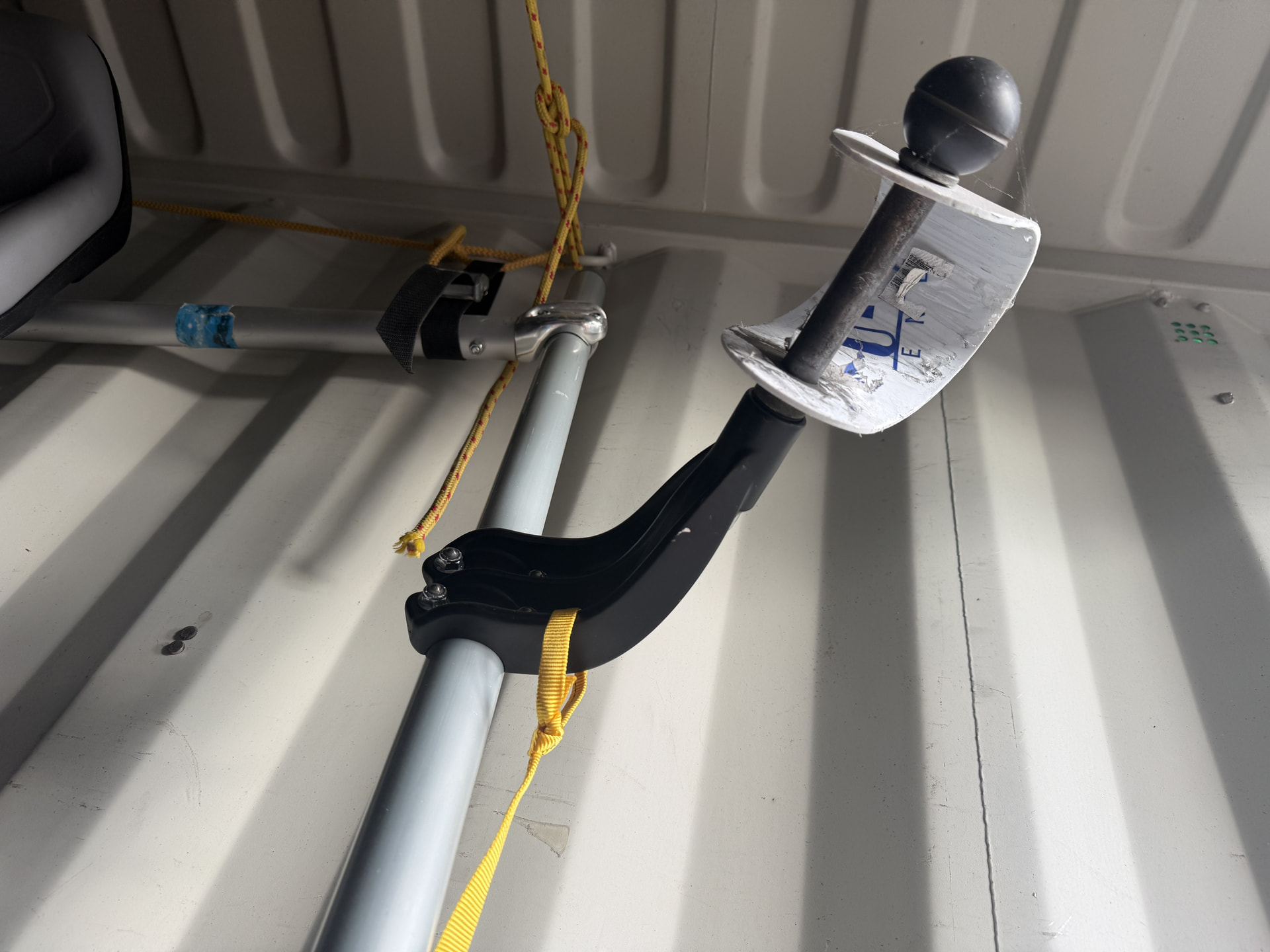
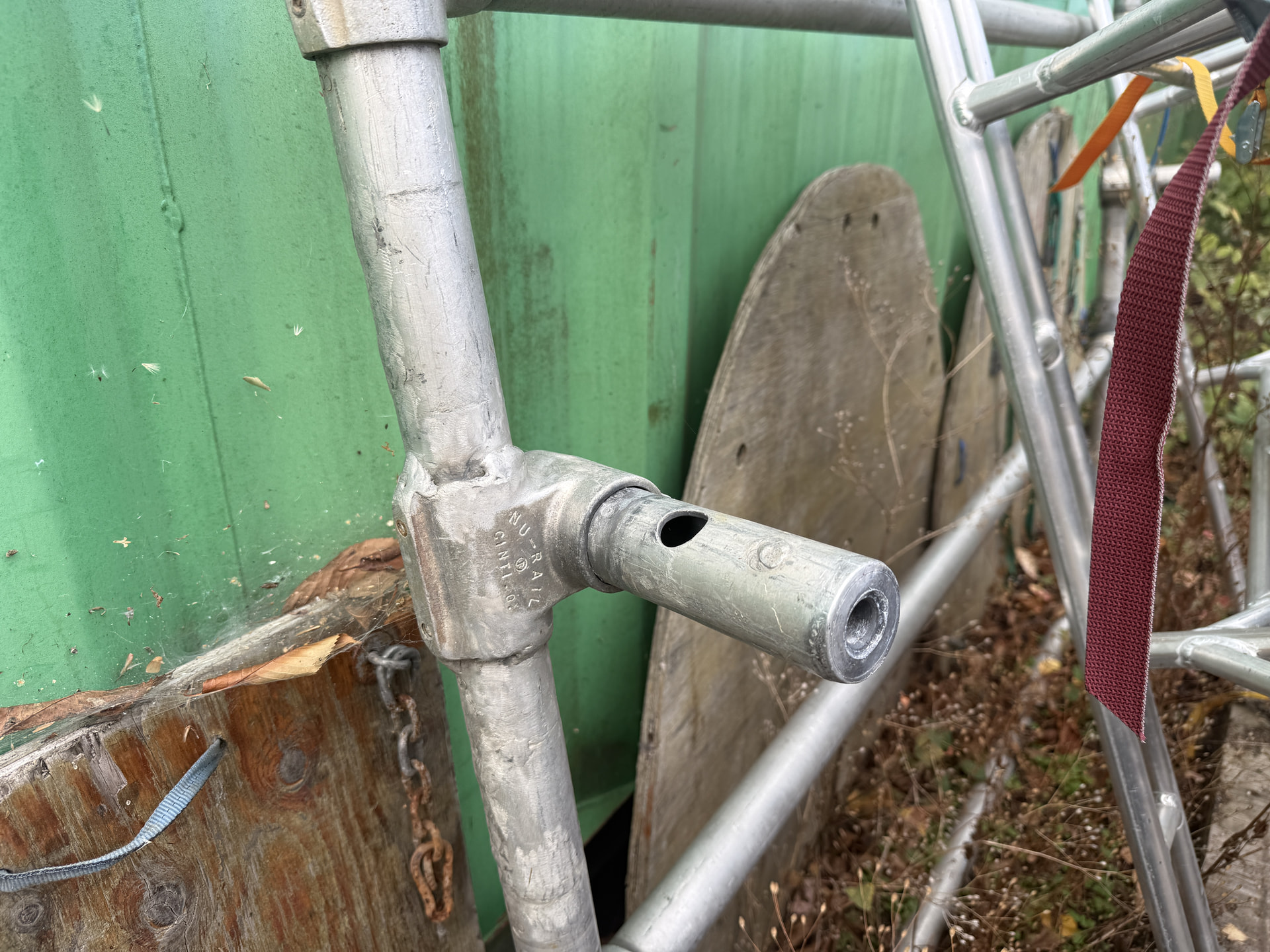
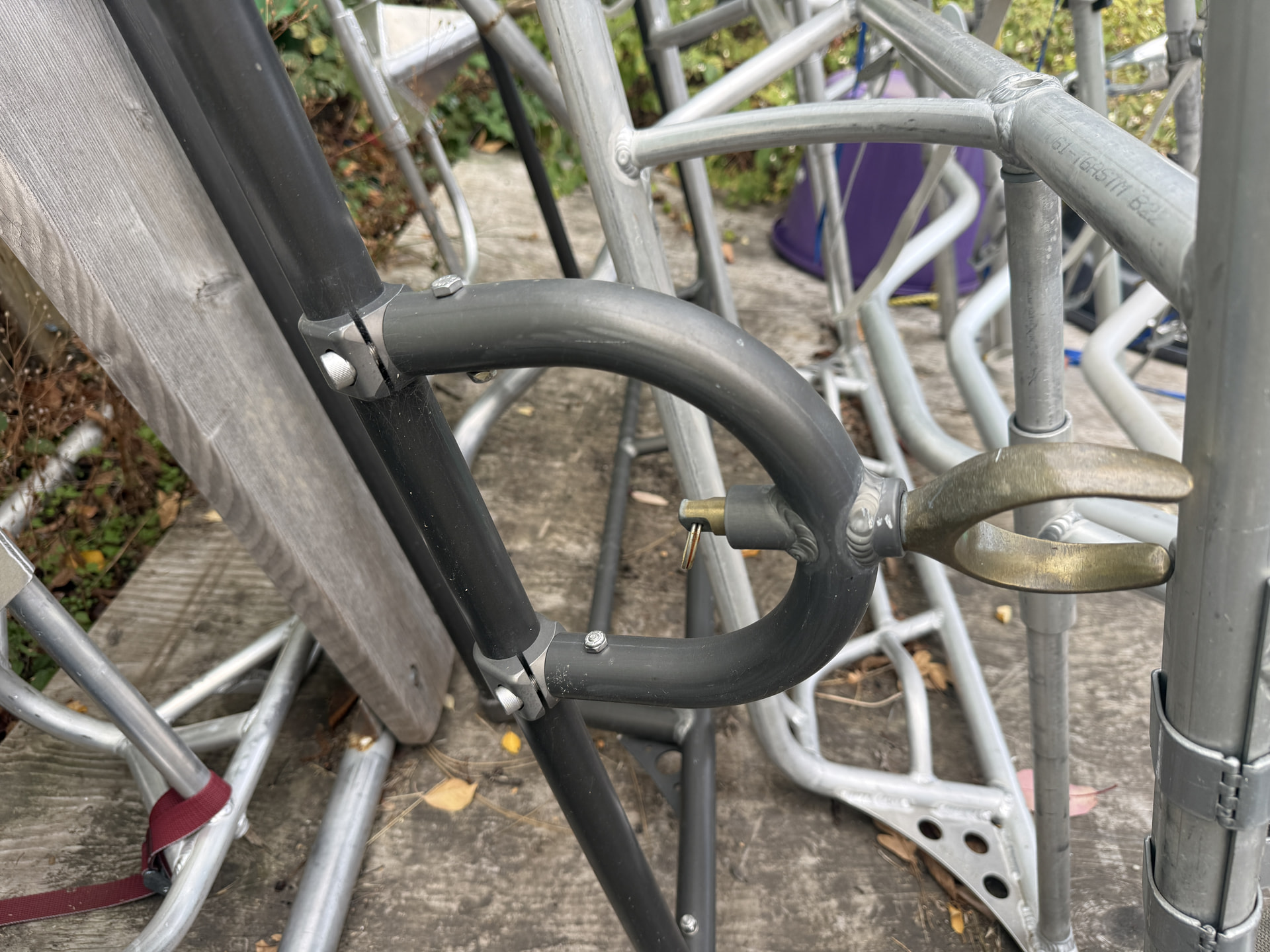
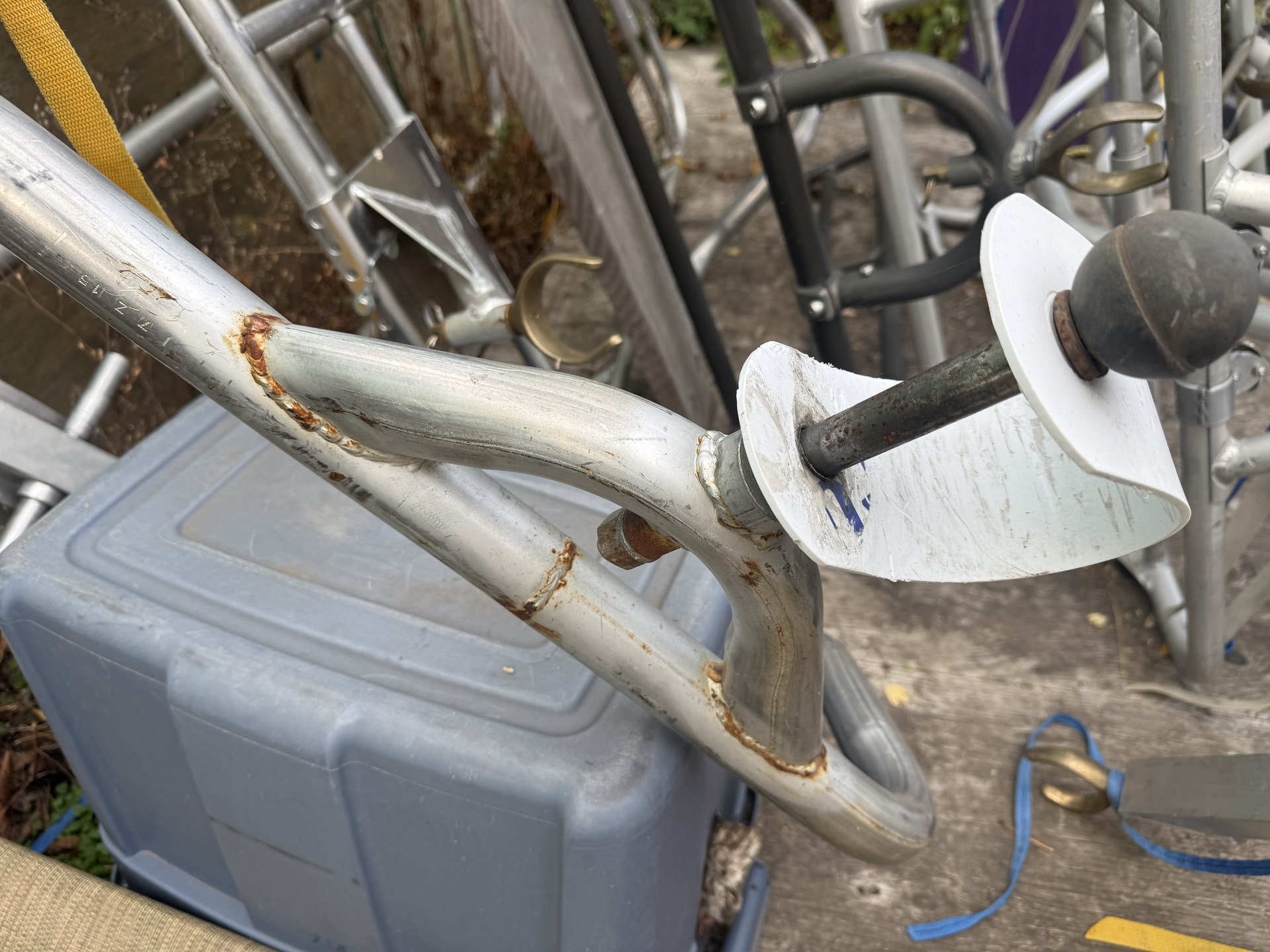

The advantages here are that they are light and simple and the non-welded ones are very adjustable.
Double rail frames
These have two rails with a platform in the middle that a mount sits on so that the oar tower was still based in the center of the tube.

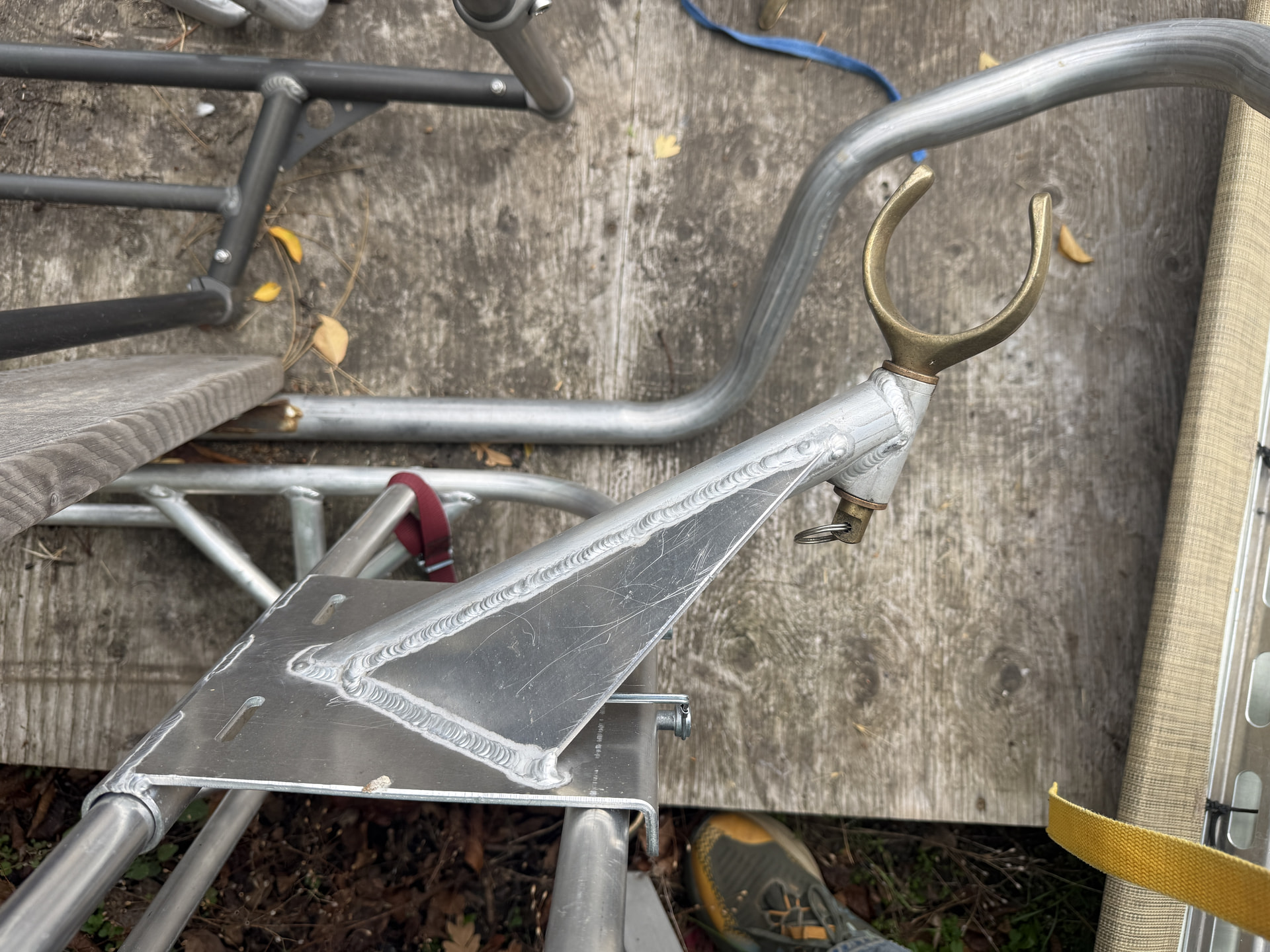

The double rail frame makes it easier to rig things on the side frame easier and/or creating a walking platform that some people want/need. The downside of the platform is added weight. and they are generally not adjustable.
In both of these configurations the oar tower is generally located in the center of the tube.
What I see as a big issue
Some time in the last 10-20 years there has been a mass switch to using aluminum for raft frames. That is mostly positive but there has not been a good solution for attaching oar towers to the center of double mount our frames. This (as well as the large amount of adjustability) has led to people using the NRS style oar towers on the outside of double rail frames.
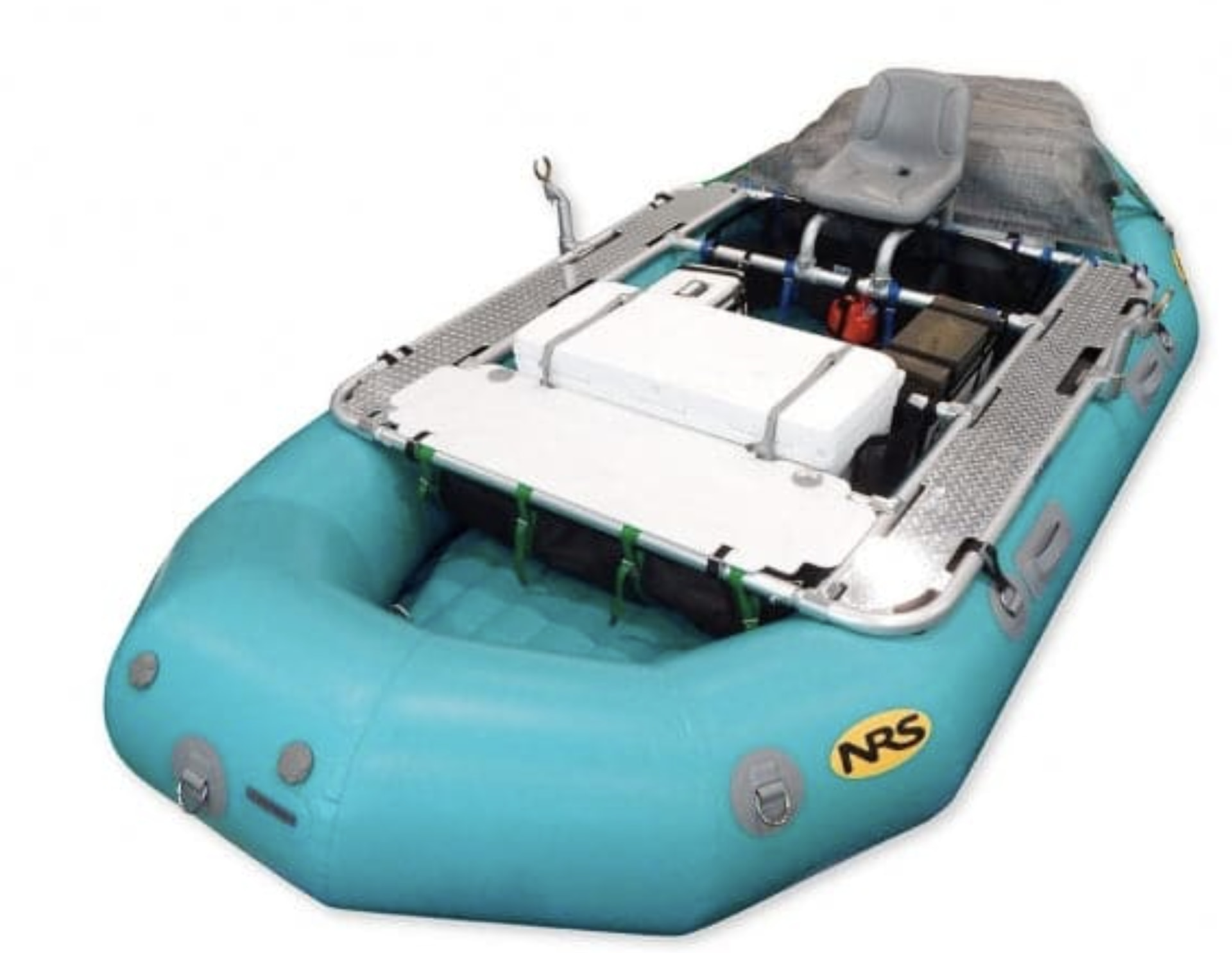
Instead of the oar tower beginning near the center of the tubes it is now beginning near the edge of the tubes. This has a few consequences.
- This pushes each oar tower 3-4" out wider so the distance between the oar locks increases 6-8". This leads to oars that need to be 10-13" longer.
- The pivot point has changed which I think leads to less optimal rowing ergonomics.
I’m thinking about this a lot right now and would welcome thoughts, debate, conversation, etc.
Have you looked at mad cow frames and how he has oar towers that mount on the inside of the outside rail?
I just checked them out. That’s a creative solution.
1 Like
Looking at the down river oar towers, you could flip them to run inside the outer rail. You might need to cut a little more clearance in the deck, but that would bring the towers closer together. Looking at the pictures of the center mount oar tower, the actual point of contact with the oar is out inline with the outer rail. Is the issue that we don’t want the pivot point outside the frame? Could you not mount the tower on the inside rail and just leave open space on the decking? This seems like it would cut a little weight out as well. I currently run the NRS side rail racks forward of my cockpit and have a hatch cover that extends all the way to the side rails behind the cockpit. This let’s me have a comfortable way to walk around the boat but still adjust my tower position. I don’t see why you couldn’t have the same gap on the double rail frame decking, which would let you run the towers on the inside rail.
1 Like
Or you could keep things simple and run a single rail frame. Why do you like the double rail frame?
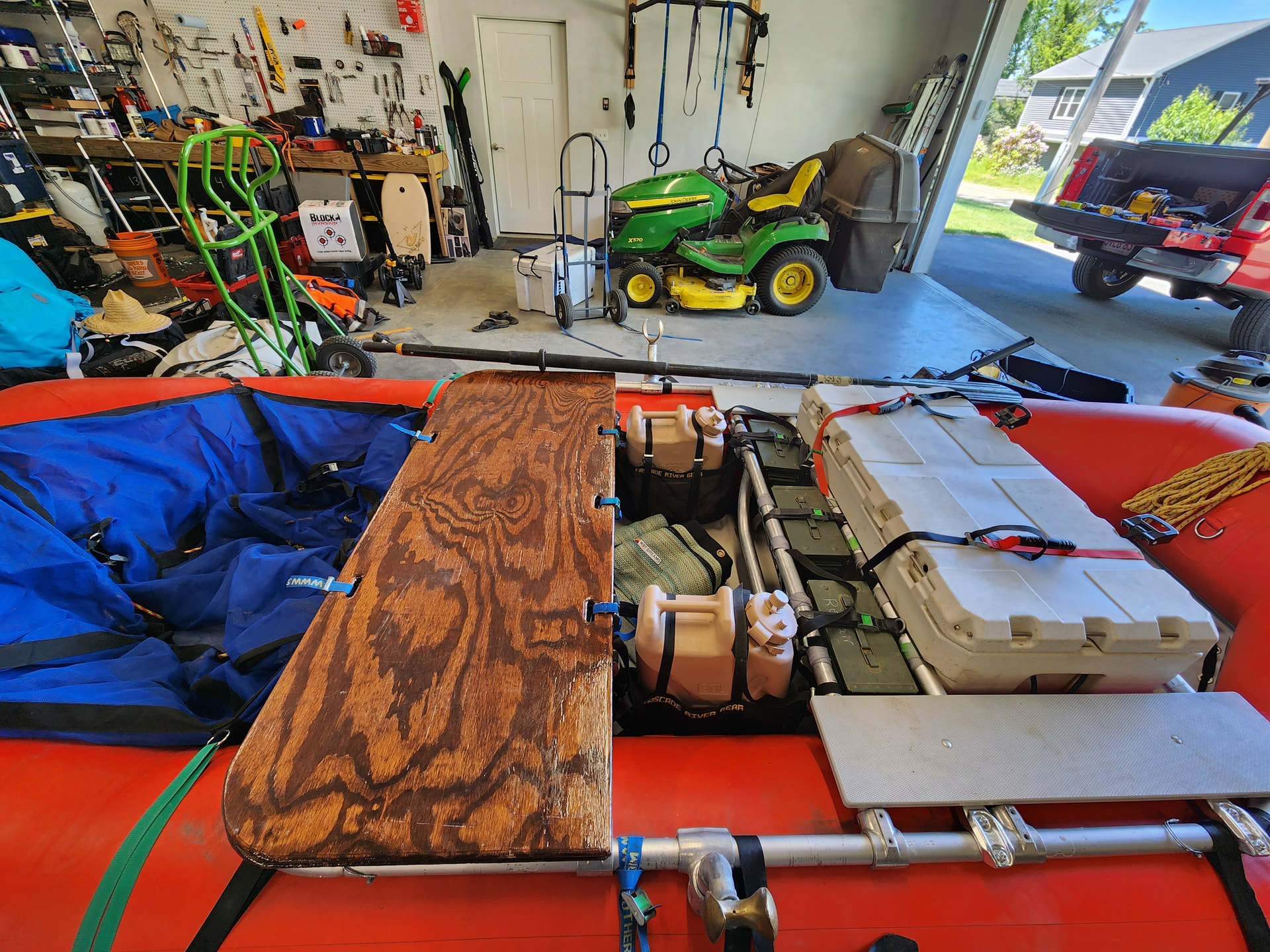
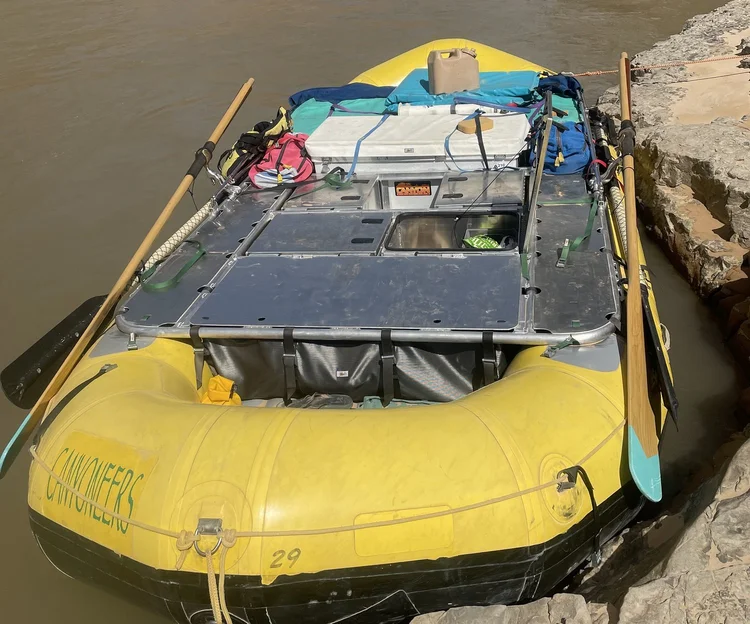
The double rail really isn’t the thing I’m sold on, it is the side decks. I’ve never actually used a double rail frame. I sleep on my boat and having a solid way to walk around the boat at night is very nice. It also makes unloading gear much easier when you have stable footing. The one raft we rented for our Rogue trip this summer didn’t have side decks and I hated getting on and off it. I’m just spoiled now. A double rail frame seems like a nice way to get the side decks and have the option of securing gear to them if needed (although preferably I’d leave them clear). Below on the red boat is the set up I have on my 14ft boat. I can walk up and down the sides of the boat nice and easy, I sit low on the deck, and it folds out to let 2 of us sleep next to each other if I take out the water jugs. For a 14ft boat, it is a pretty comfy set up. I’m hoping to add a bigger boat to the fleet, probably an 18ft maybe a 16ft, but that’s another debate. I really like having everything flat and clean. The yellow boat is a project by Eddyline Welding that I was planning on modeling my next frame on until you brought up potential issues with double rail frames. It gives you plenty of space for 2 people to sleep on the boat, you can stand on the side decks while opening hatches, you can easily move around the boat without stepping where people are sitting or sleeping, there is room to set up camp chairs when you want to hang out on the boat at camp because I’m getting old and like back support. I want to figure out how to have it all, good rowing ergonomics and the floating home for the trip. I’ve redone my 14ft set up 3 or 4 times now to land were I’m happy. I really want the next frame to be one and done.
2 Likes
On your red 14’ raft what is the distance between the oar locks and what oar length do you use?
Zack, ideally where do you suggest the center of the oar lock (the bottom pin going into the oar tower) should be on the tube to maximize the best pivot/control point and size of the oar?
I have a pair of Down River oar towers and installed them in their traditional way with them on a single rail, facing outward so the pivot point is over the outside edge of the tube. Has anyone tried reversing the towers to bring the pivot point more inside?
I have three 14-foot Sotars plus several friends that also run 14-foot rafts. We started using NRS frames 30 years ago because of their flexibility to modify frame setups depending on what rivers we were running, the length of trips and number of people (paddlers up front require separate considerations). The NRS allows us to mix and match between us. They are also easy to breakdown for travel. If you are reasonably competent with your hands and have the right tools (metal cutoff saw), it is easy to cut tubes to customize a frame setup.
The downsides include all the straps needed to secure dry boxes, coolers, tables, etc. along with not having a rig that is ready to go unless you have room to store a frame that is put together.
I would love to have a rig like the Mad Cow that I can keep on a raft stored on a trailer ready to drive down to a put-in on the Rouge but given where I live and the different rivers I run, the NRS frames have served my group well.
I have looked at setting up a double rail system using the NRS tubes but not sure I am sold on doing so. I do see the advantage of attaching a solid platform on top of the double rails but not sure if it is worth the extra weight although it would make stepping on tubes that have lost pressure after a cold night.
Traditionally, I have used 3/4" wood for such platforms. Is there better material to use that is easy to purchase and cut with a table saw?
My best guess is 4-6" wider than the center of the tube.
Zach. What would your choice be for a manufacturer for a 16’ gear frame?
Who is making a great almost ready to go double rail frame for a gear boat?
i have a 13.5’ Streamtech (maravia) I use for everything right now and want to add a dedicated multi day 16’ gear boat to the fleet. (Excited to see your sotar!) I do like the Cascade style multi-day frame. I do like how they row with the frame coming around the tubes on the inside of the boat. But it does add some weight. Do you have any thoughts on this style of frame?
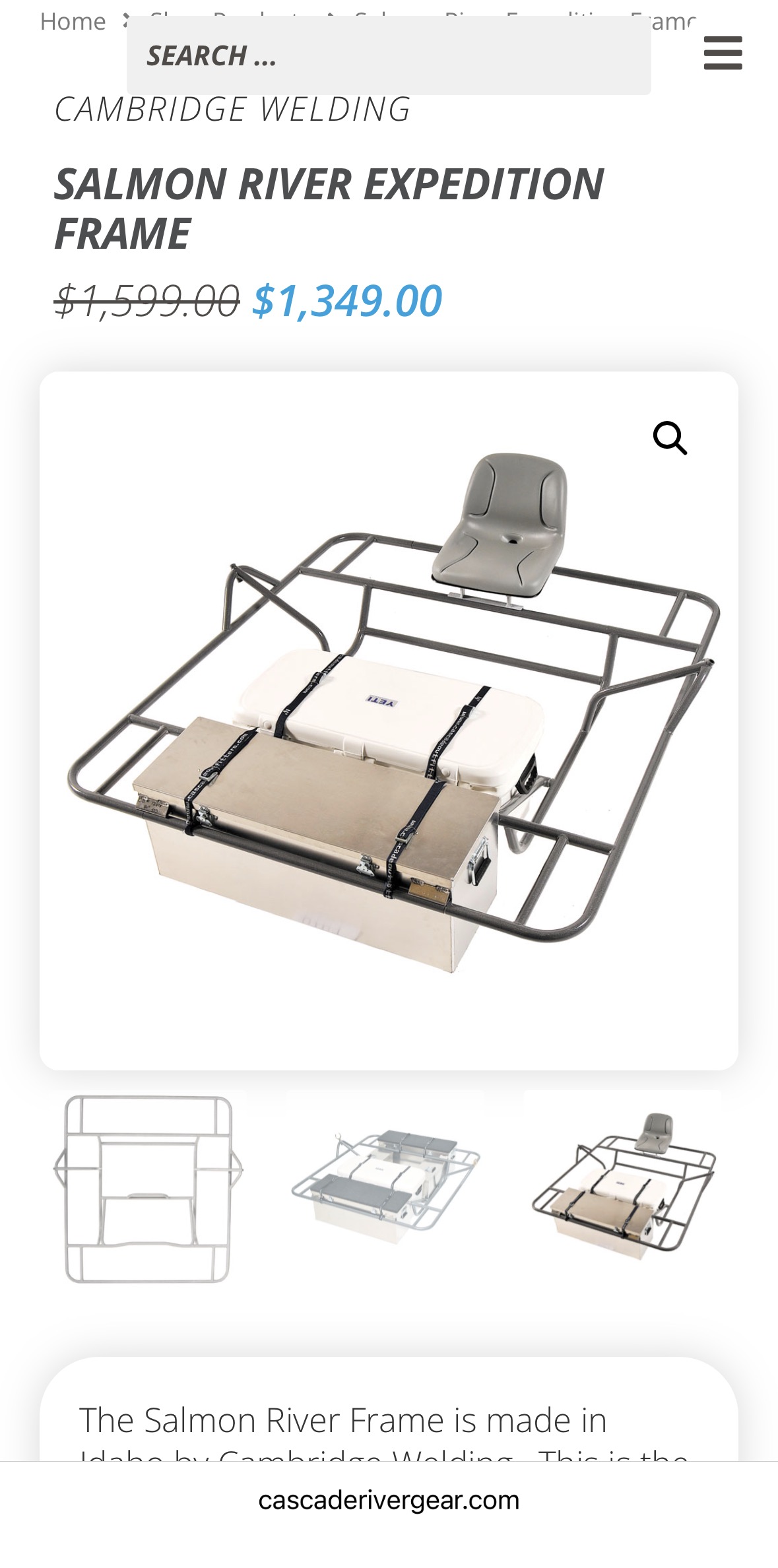
For double rail frames I like some of the Recretec frames. I do like the Down River Equipment and Rogue Gear Works frames but don’t like how they put the oar tower on the outside rail as it creates the need for some really long oars.
A drawing of the new SOTAR 16’ can be found here. I’m hoping to work with Rogue Gear Works on single rail and double rail frames designed specifically for that boat.
I really don’t like the Cambridge frame you shared a photo of for a few reasons:
- The seat covers valuable space for a dry box or cooler
- The wrap around creates extra bars and unneeded complexity
- The oar tower bar is long and in the way
I’m not even sure I’d call that a double rail frame. It’s more of a cataraft frame.