Here are some guidelines for drowning from the Safety & Rescue Instructor Alliance
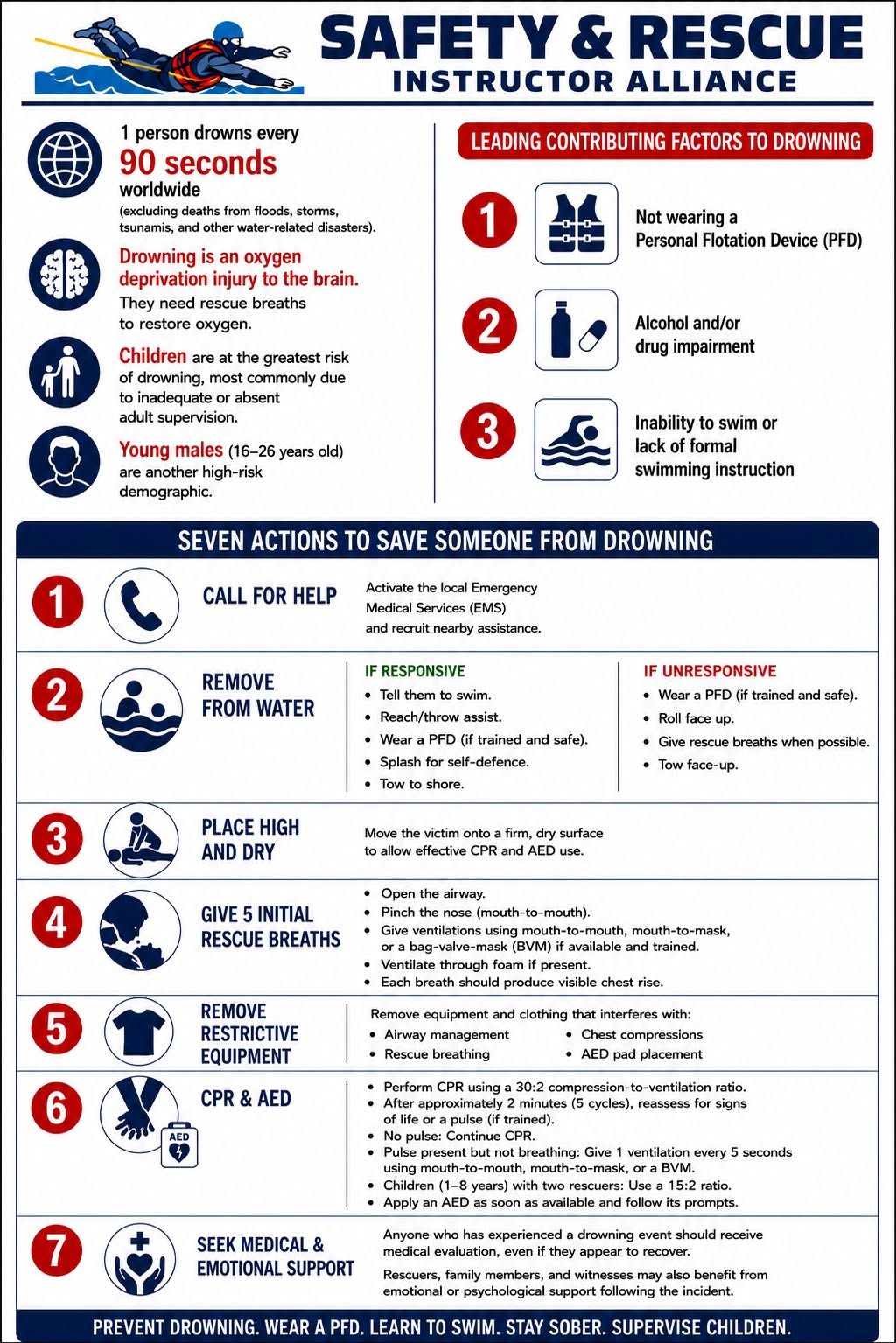
These 7 Actions are developed in conjunction of Dr Chris Davis and Dr Stephanie Lareau. SaRIA is hosting a series of Drowning Prevention and Resuscitation Clinics worldwide wide on World Drowning Prevention Day (July 25).
Would you like to host a clinic in your area … find more info here https://www.facebook.com/share/g/1BXJfoiLUc/?mibextid=wwXIfr
1 Like
What do you instruct/provide/suggest for your guides/students regarding PPE and giving rescue breaths to a subject of drowning?
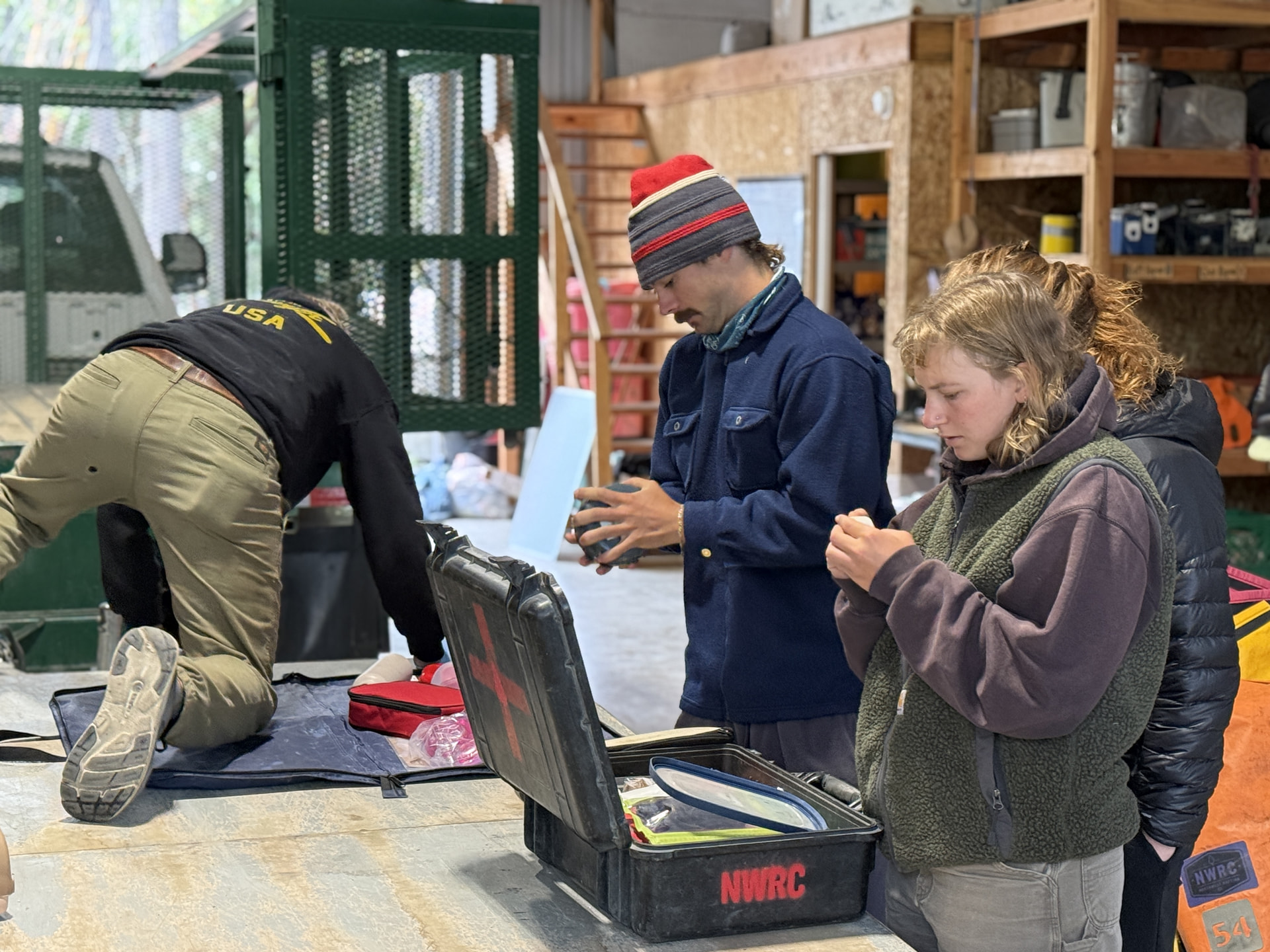
We have multiple levels of CPR masks on our trips:
- We have all of our guides carry a CPR Face Shield in their PFD
- Each raft has a “boat first aid” that has a better, more rigid face shield
- Each trip (usually in the last boat) has a Seal Rite CPR Mask and Pocket BVM
We annually train with all of these items. In particular the pocket BVM can over-inflate the lungs which can cause problems
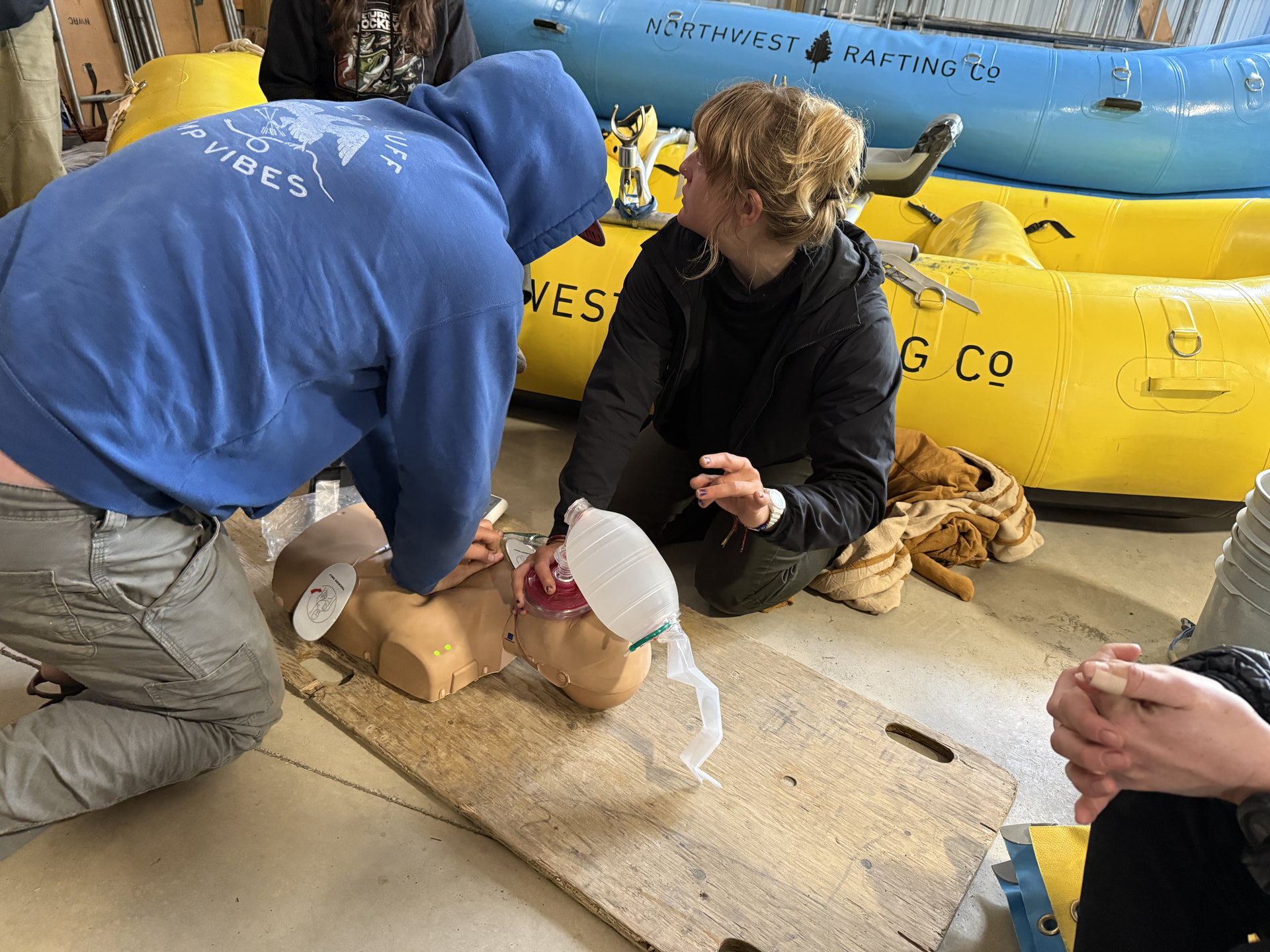
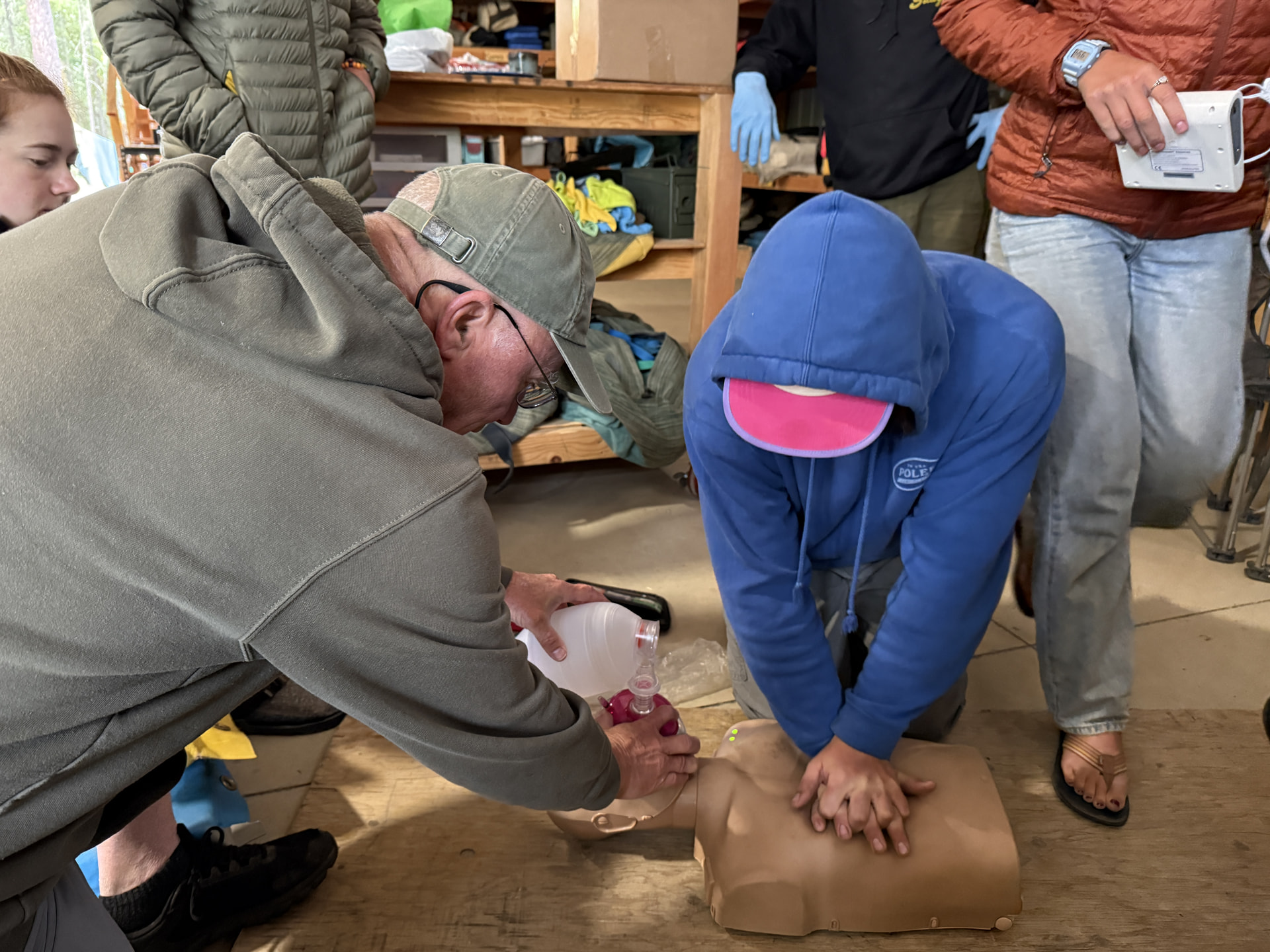
Awesome … we do the same… the “real to ideal” is likely
Mouth to Mouth/Nose
Face shield to mouth
Pocket mask to mouth
BVM to Mouth
We supply face shields to our guides to have in their PFDs , have pocket mask in each raft and a BVM on each trip.
Transmission rates of illness is very low (15 cases since CPR was invented) and success rate with early ventilations and high quality CPR is high (10%-17%). When I measure those things I know what choice I would make if I found myself without barrier protection immediately on hand.
1 Like
Thanks for sharing. If there is no foam or fluids coming from the victim then my guess is that most people would do CPR without a barrier.
Based on my conversation with Dr. Chris Davis, there is generally going to be foam associated with drowning. It’s impossible or nearly impossible to push air through that foam without a CPR barrier so having quick access to a barrier for drowning victims is pretty important.